The 958 is the second-generation Porsche Cayenne — codename 92A — built from 2010 to 2017 (with a mid-cycle facelift in late 2014). It replaced the original 955/957 on an all-new platform, brought PASM adaptive suspension as standard across the range, and was the first Cayenne offered with a plug-in hybrid powertrain. This page is the hub for everything on ForPorsche about the 958: buying advice, tuning, maintenance, diagnostics, coding, and the factory manual.
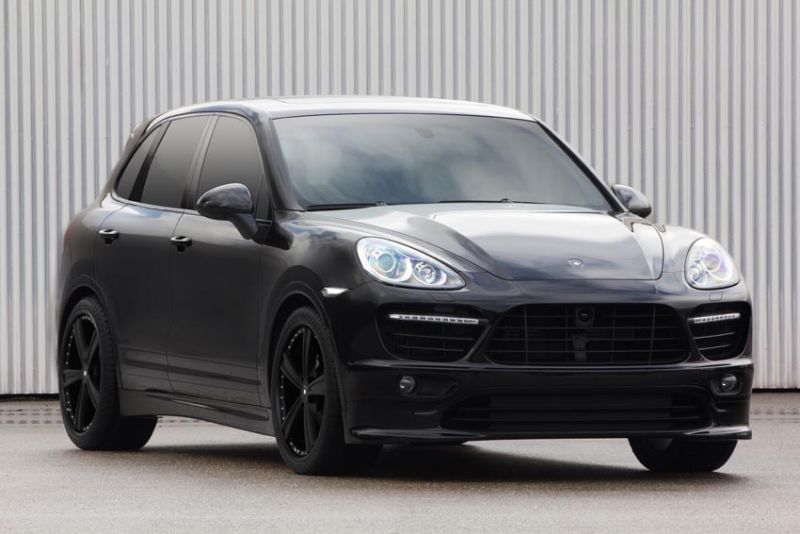
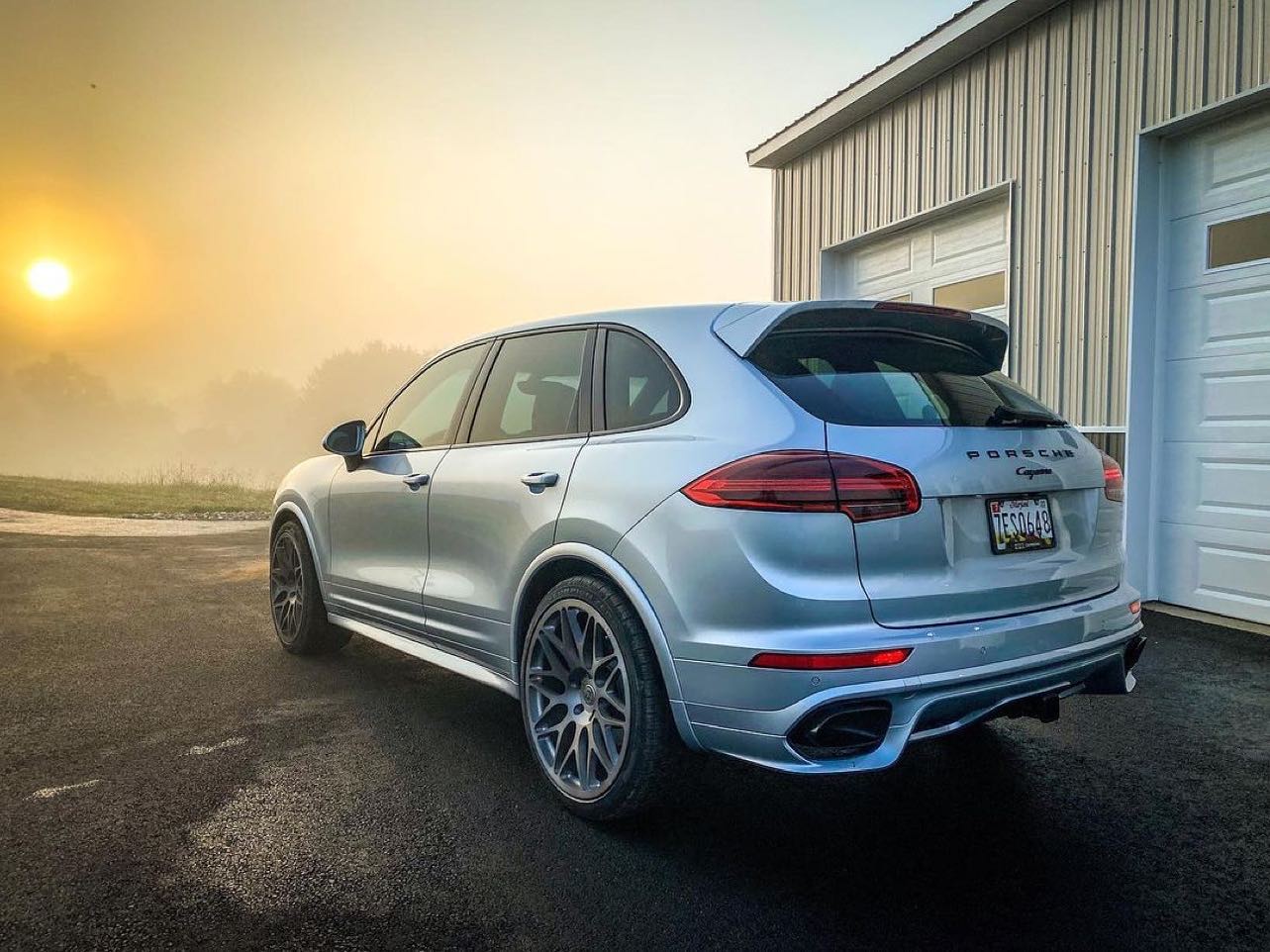
The 958 rode on a new platform shared with the Volkswagen Touareg and Audi Q7, cutting weight versus its predecessor despite adding equipment. PASM (Porsche Active Suspension Management) became standard rather than optional, the interior gained Porsche’s then-current PCM infotainment generation, and the 2014 facelift brought the S E-Hybrid’s plug-in powertrain plus a switch from the 4.8 V8 to a lighter, more efficient 3.6 twin-turbo V6 on the S trim.
Yes, with the usual SUV caveats: check air suspension compressor health, PDCC hydraulics if fitted, and timing chain tensioner history on early V6/V8 cars. See our buying tips guide for the full pre-purchase checklist.
The late-2014 facelift introduced the S E-Hybrid, replaced the Cayenne S’s 4.8 V8 with a 3.6 twin-turbo V6, and updated the front/rear styling and PCM software. Pre-facelift cars (2010–2014) kept the naturally-aspirated/V8 engine lineup from launch.
Many comfort, lighting, and PCM features are present in the software but switched off from the factory. Our 958 coding guide covers activating them with an aftermarket diagnostic tool.