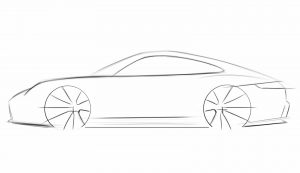
The second-generation Macan (chassis code J1) is Porsche’s first fully-electric compact SUV, launched for model year 2024 on the Premium Platform Electric (PPE) architecture shared with the Audi Q6 e-tron. It replaces the long-running 95B gas Macan in most markets and brings dual-motor all-wheel drive, 800V charging architecture, and a fully digital cockpit to Porsche’s best-selling model line.
Beyond the obvious powertrain switch, the electric Macan is larger in every dimension than its predecessor, rides on Porsche’s 800V PPE architecture (shared with the Taycan’s charging tech, supporting fast DC charging well above 200 kW on capable trims), and replaces the old analogue-plus-screen cluster with a fully digital display. Air suspension is available across the range rather than a higher-trim-only option, and the brake-by-wire system is shared with the current Taycan.
Range and charging infrastructure matter more here than with any gas Porsche: check your realistic daily/weekly driving pattern against each trim’s real-world range (EPA/WLTP figures vary meaningfully by trim and wheel size), and confirm home or workplace charging access before committing, since public DC fast-charging costs add up quickly on a car this size. Base and Macan 4 trims offer the best range-per-dollar; Turbo and GTS trade range for outright performance.
In most markets, yes — the J1 electric Macan is now the only version Porsche sells new. Gas 95B Macans remain widely available on the used market and continue to be supported for parts and service.
Thanks to the 800V PPE architecture, the electric Macan charges significantly faster than most rivals in its class, which matters more day-to-day than headline range figures for most owners doing typical mixed driving.
If you have reliable home or workplace charging, most owners find the electric Macan’s performance and refinement a clear step up. Without convenient charging access, a used gas 95B Macan remains a straightforward, lower-hassle alternative.